AI turns data centers into one of the most important drivers for copper
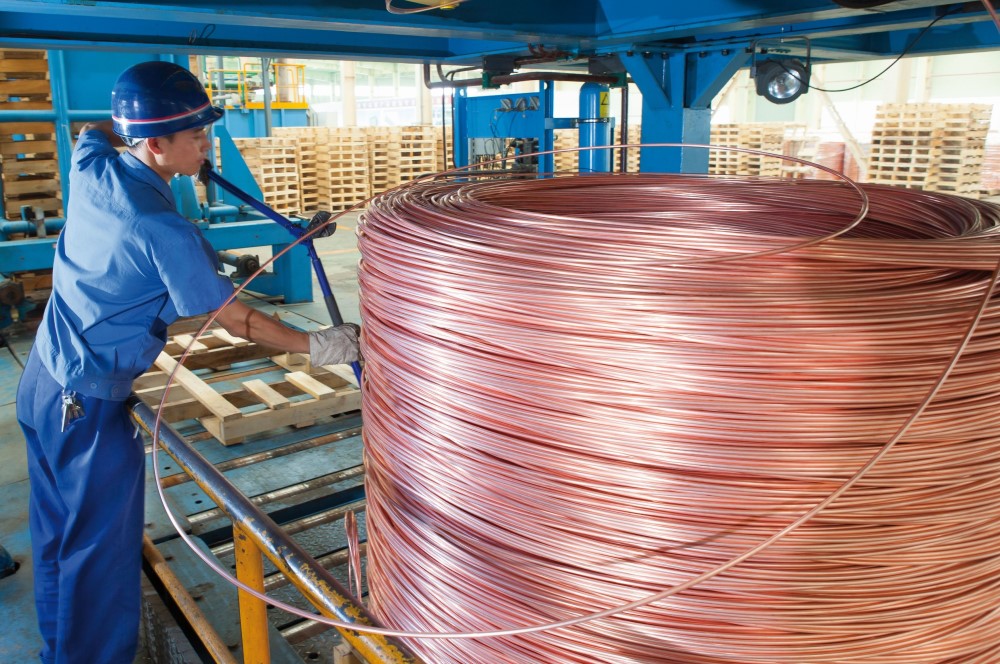
AI has turned data centers into one of the most important new signals for copper. Hyperscaler AI data centers, such as those built to house Nvidia’s HGX systems, can use up to 50,000 tons of copper per facility (vs 5,000-15,000 tons of copper for a conventional data center). BHP estimates copper used in data centers could increase from about 500,000 tonnes a year today to 3 million tonnes by 2050.
Spending on US data-center construction has overtaken conventional office building, with the latest US Census Bureau data showing private data-center construction reached a seasonally adjusted annual rate of US$50.7 in April 2026, up 28.1% year-on-year. And this figure captures buildings, not the full mineral footprint of servers, chips, switchgear, backup power, cooling and grid connections.
McKinsey estimates, global spending on data centers could reach US$7 trillion by 2030, but lead times in North America for critical equipment such as medium-voltage switchgear and transformers can now reach 80 weeks and 50 weeks, respectively.
S&P Global projects a surge in demand from 28 million metric tons in 2025 to 42 million metric tons by 2040, a staggering 50% increase, that means a potential 10 million metric ton copper shortfall by 2040 without meaningful supply expansion.
The US has more than 000 operating data centers and over 1500 in development. Importantly, most planned projects are moving into rural areas, which means AI demand is not just concentrated in existing digital hubs, but moving into areas that need substations, transformers, transmission upgrades and copper-heavy grid equipment.