Alcoa increases its aluminium production by 5% in Q2 2026
Alcoa, the US based aluminium producer, reported a record quarterly revenue of $4 billion for Q2 2026, representing a 24% sequential increase. This was driven by higher realised prices, strong operational performance, and progress on multiple smelter capacity restarts.
On an adjusted basis, net income rose to $562 million, while adjusted EBITDA increased to $901 million.
Alcoa President and CEO, William Oplinger, said: “During the second quarter, in addition to delivering strong financial results that captured favourable aluminium prices, our team executed on strategic initiatives, most notably the announced agreement with South32. We continue to demonstrate operational excellence and positive momentum in our disciplined approach to maximise value creation.”
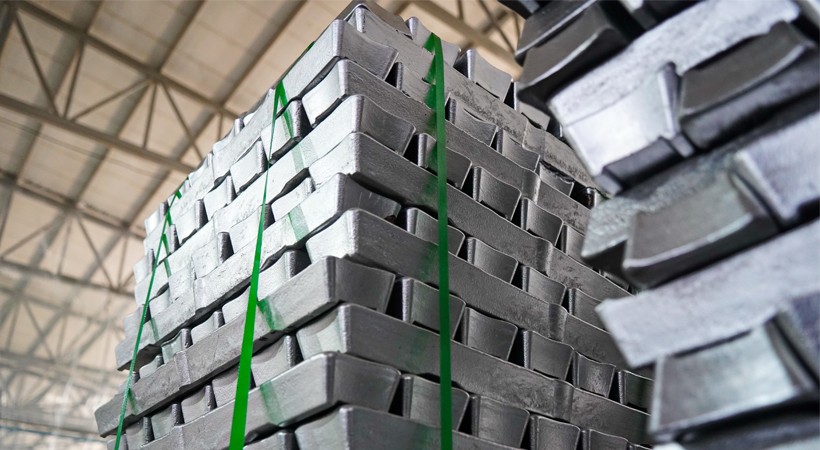
In the aluminium segment, production increased 5% sequentially to 636,000 tonnes.
This was primarily driven by the completed smelter restart in San Ciprián, Spain, on April 7, 2026.
Growth was also supported by ongoing progress at the Alumar smelter in Brazil, alongside completed capacity restarts for the smelters in Lista, Norway, and Portland, Australia.
Total aluminium shipments increased 18% sequentially, largely due to shipments of inventory repositioned within North America in Q1 and higher output from the capacity restarts.
Third-party revenue increased 31% on higher shipments, including higher value add product sales, and an increase in average realised third-party price. These benefits were partially offset by impacts from certain energy contracts linked to metal pricing and lower third-party energy sales.
Alumina production decreased 6% sequentially to 2.2 million tonnes primarily related to lower production at the Pinjarra, Australia, refinery. Instability that began in late March was further exacerbated by gas supply disruptions associated with Cyclone Narelle.
Third-party shipments of alumina were flat sequentially at 1.6 million tonnes, as delayed March shipments from Australia were completed in Q2. This was partially offset by decreased trading activity and lower production at the Pinjarra refinery.
Third-party revenue decreased 3% on lower volumes and price from bauxite offtake and supply agreements, partially offset by favourable currency impacts.