
Quarterly BHP copper output fell 19% to 400.7 thousand metric tons
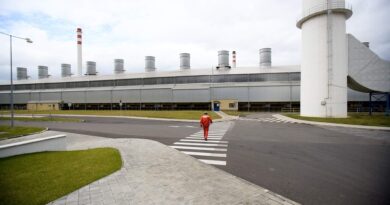
BHP Group’s copper production dropped sharply in the September quarter after adverse weather and a fatal workplace accident temporarily disrupted operations at its flagship Escondida mine in Chile. Operations were halted in late September following the death of a worker during maintenance, while a failed underground conveyor belt interrupted production for several weeks at its Carrapateena mine in South Australia.
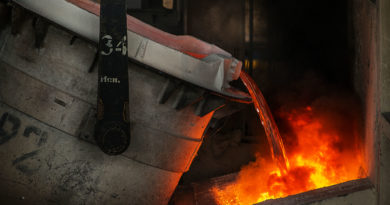
Copper output fell 19% to 400.7 thousand metric tons (Kt), below Visible Alpha’s consensus estimate of 423.6 Kt and the 494 Kt recorded a year earlier.
Copper became BHP’s largest profit contributor for the first time this year, driven by rising demand from AI data centers. The metal, alongside byproducts including gold and uranium, generated $18.19 billion in operating earnings in 2026, exceeding iron ore’s $14.53 billion.
Iron ore production at BHP’s Western Australian operations reached 71.9 million metric tons (Mt), up from 70.2 Mt a year earlier. The company is increasing capacity to reach annual output of 305 Mt by the end of fiscal 2028. However, average realised iron ore prices fell 9% to $76.27 per wet metric ton in the quarter ended September 30.
BHP maintained its full-year production guidance across all operations. It also raised its estimated copper resource at Olympic Dam by 2 million tonnes, equivalent to nine additional years of production at current rates. Meanwhile, Stage 1 of its potash project is 87% complete and remains on schedule to begin production in mid-2027.