ANTIMONY: shortage of mines, shortage of processing capacity
By 2030, antimony smelters outside China will be able to meet only 73% of projected ex-China demand — and that’s only if every project currently announced is built.
There are three proposed smelters outside China and Russia (one in Oman and two in the US) but, even if they are completed, total capacity would reach only 68,000 tonnes by 2030, against projected ex-China demand of approximately 93,000 tonnes, leaving a processing deficit of approximately 25,000 tonnes, or 27% of demand.
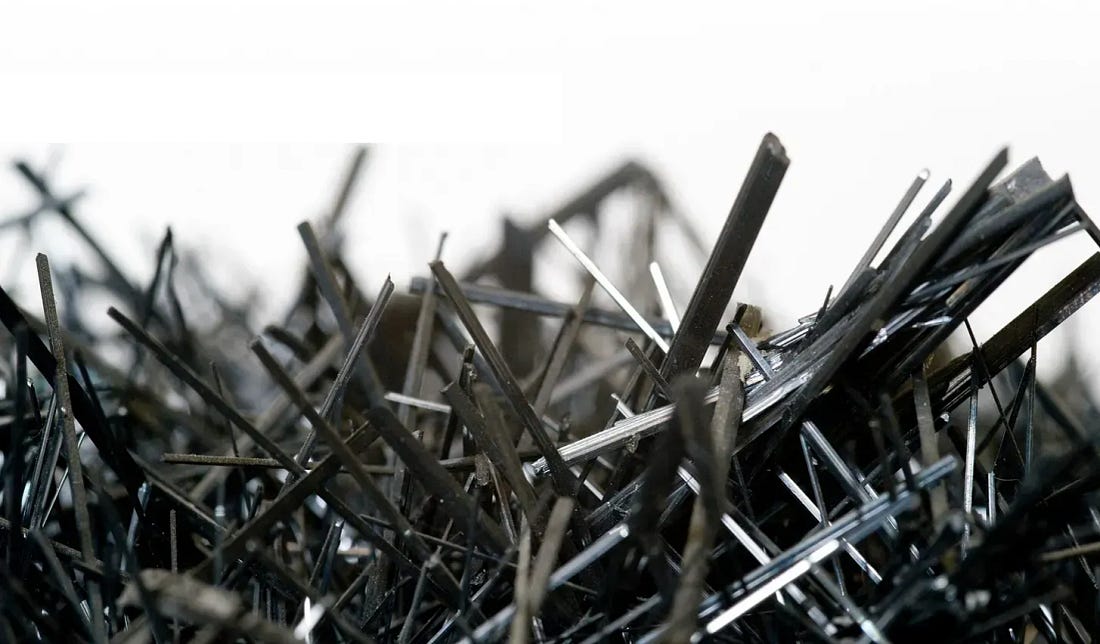
Antimony is a silver-grey metalloid, primarily produced from the mineral stibnite, and is sold as concentrate, metal, antimony trioxide and a range of specialist compounds. Its main uses include:
- flame retardants: antimony trioxide makes fire-resistant additives more effective
- lead-acid batteries: improves strength and corrosion resistance
- solar and specialty glass: antimony compounds act as clarifying agents
- alloys: to harden lead and other metals
- semiconductors: infrared detectors, diodes and printed circuit boards
- military equipment: including ammunition primers, hardened projectiles, night-vision equipment, infrared sensors and explosive formulations
Antimony is designated a critical mineral by the US, EU, Japan and Australia.
Antimony is currently trading at approx US$20 per kilogram in Europe, around 54% above the top of the US$11-13/kg range that S&P Global estimates is needed to sustain at least 80% of current and proposed smelting capacity outside China and Russia.
In other words, prices may be high enough to support new investment, but the project pipeline is still too small to break the West’s dependence on China and Russia.
And the problem is not only a shortage of mines, but also a shortage of processing capacity.