Enova supports Hydro’s zero-emission aluminium technology
Enova, a state enterprise owned by the Norwegian Ministry of Climate and Environment, has awarded Hydro close to NOK 82 million for a feasibility study for the next phase in the development of HalZero, Hydro’s technology for aluminium production with net-zero CO2 emissions.
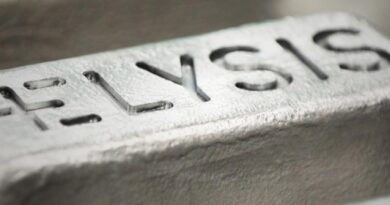
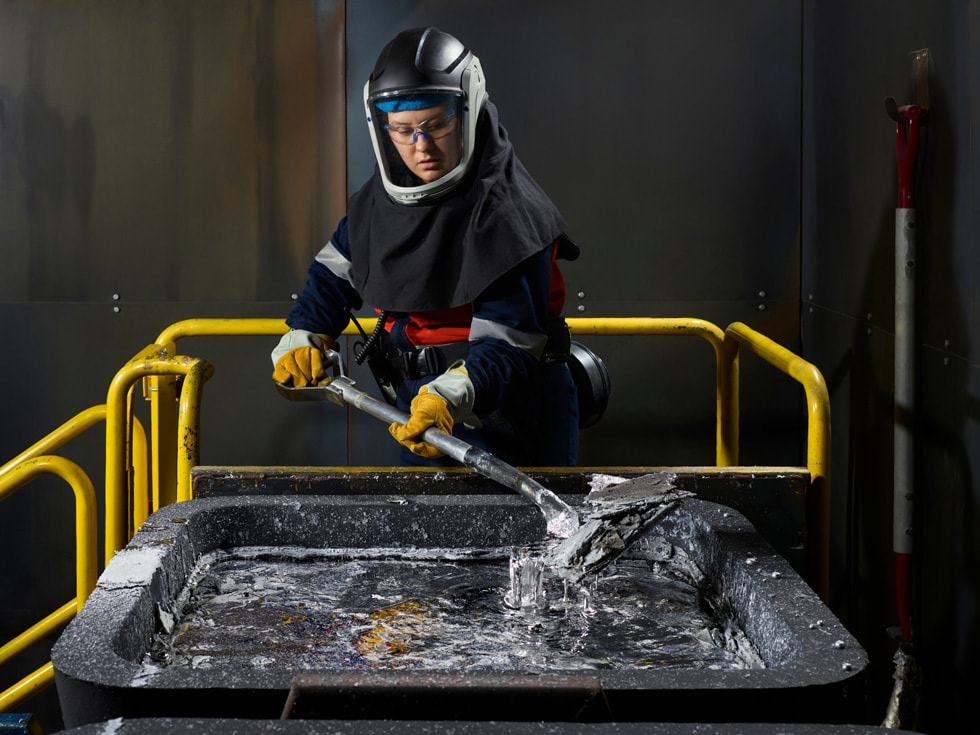
The first metal from the electrolysis at HalZero. (Photo: Anders Vindegg / Hydro)
The funding from Enova will be used for concept development and planning of an industrial pilot facility (Industrial Concept Pilot, ICP), laying the foundation for further development and scaling of the technology.
“The support from Enova enables us to further develop the plans for the next phase of HalZero. This is an important step in developing and scaling the technology toward potential deployment at industrial scale,” says Hanne Simensen, Executive Vice President of Hydro Aluminium Metal.
HalZero is Hydro’s long-term technology development program for a new primary aluminium production process in which carbon is reused in a closed loop, with the aim of eliminating direct CO2 emissions from production.
On October 19, 2026, Hydro marked a key milestone in the development of HalZero, producing aluminium with the new electrolysis technology for the first time.
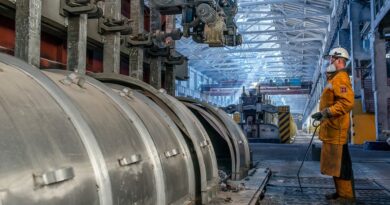
At Hydro’s test facility at Herøya in Porsgrunn, key parts of the process are currently being tested and further developed. The facility enables Hydro to qualify the technology step by step at a smaller scale, build operational experience and reduce technical risk before further scaling to pilot facility. The experience and results from the test facility form the basis for the continued development of HalZero.
The planned pilot facility will be significantly larger than the current test facility and will bring together all the key process steps in one integrated facility. The aim is to demonstrate the technology under conditions closer to industrial operation, test how the different parts of the process work together and establish the basis for further scaling. The plan is to build the facility in Grenland.
The funding does not constitute a decision to build the pilot facility. Any future realization of the facility will depend on the results of further technology development, completion of project development and future investment decisions.