Ground-breaking power solution in electric steelmaking
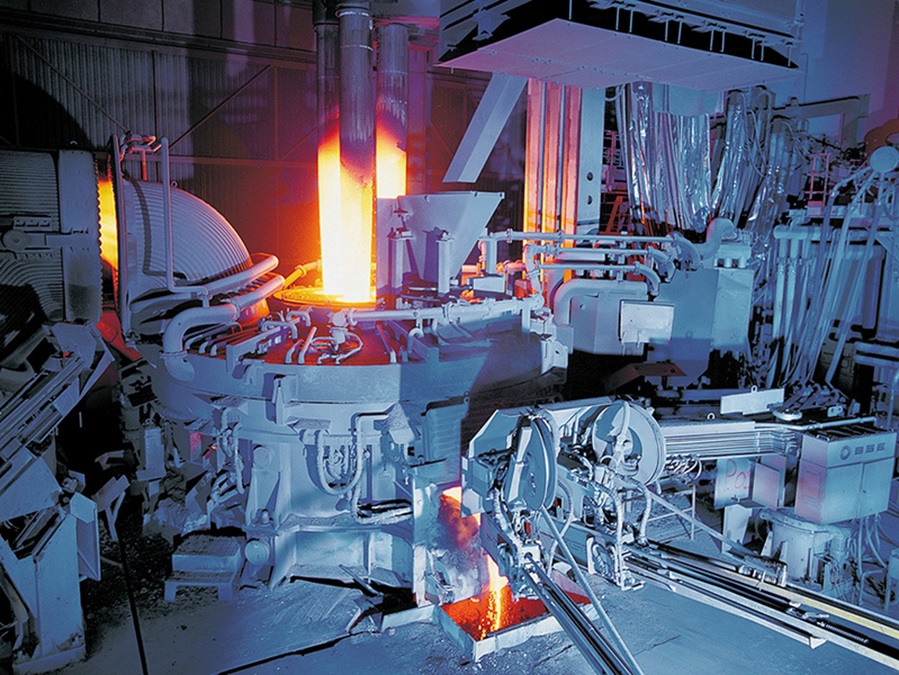
LONDON, UNITED KINGDOM – BGH Edelstahl in Siegen, Germany, and Primetals Technologies have successfully completed the first melting tests of the Active Power Feeder, a cutting-edge power solution, at BGH’s electric arc furnace (EAF). The tests were completed on schedule, and the system enabled stable furnace operation.
The Active Power Feeder represents a major step forward in sustainable electric steelmaking. It uses a patented and proven medium-voltage modular multilevel converter (MMC) in an innovative power control system developed by Primetals Technologies.
Reduced Power-On Times
Compared to conventional technologies, the Active Power Feeder reduces energy consumption and achieves significantly greater flicker reduction than traditional methods. The solution also decreases power-on times compared to static synchronous compensator (STATCOM) technology.
With the Active Power Feeder, the power supply system maintains high power quality that meets utility company requirements, while ensuring low electrical losses and high furnace efficiency.
Flexible Installation
Primetals Technologies integrated the Active Power Feeder into BGH’s existing EAF system using a container-based design. The system is installed approximately 200 meters from the furnace on a rooftop, highlighting its flexibility in installation. Extensive pretesting at Primetals Technologies’ test facilities ensured a smooth commissioning process.
The solution can be easily added to both existing and new EAFs, even where space is limited.
The Active Power Feeder solution at BGH includes two parallel modular multilevel converters. The second converter was installed in December 2025 and was commissioned starting in January 2026. Both converters are expected to operate in parallel at full power by mid-2026.
Ambitious CO2 Reduction Targets
BGH is a specialty steel producer of high-quality stainless steels and special alloys. Its wide product range includes small batch sizes for custom orders, meeting the highest quality standards and precise delivery requirements.
BGH is committed to reducing Scope 1 and Scope 2 CO₂ emissions by 42 percent by 2030 compared to a 2021 baseline and aims to cut Scope 3 emissions by 25 percent over the same period.