REE mining and usage is geopolitical and technological struggle
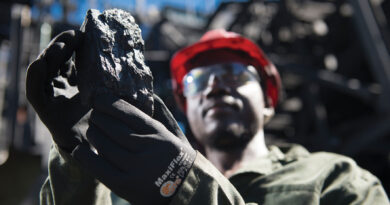
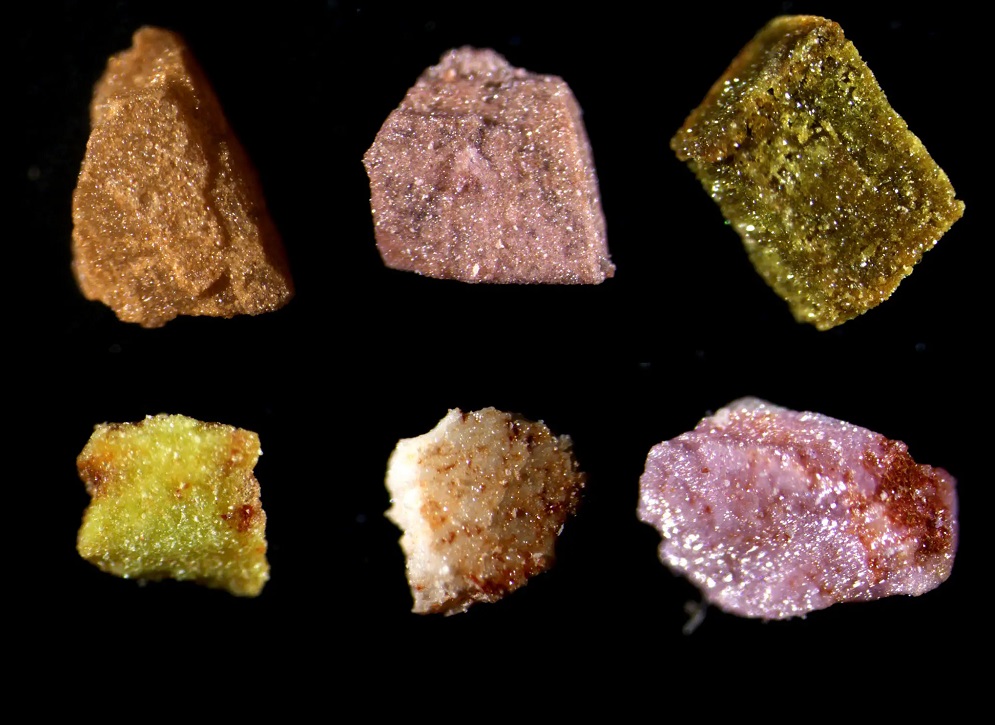
The global race to secure rare earth elements (REEs) has escalated into a defining geopolitical and technological struggle in 2026. As countries tighten environmental mandates and rush to build localized supply chains, these 17 critical metals—vital for everything from electric vehicle (EV) drivetrains to defense systems—have transitioned from obscure chemical commodities into highly protected national assets.
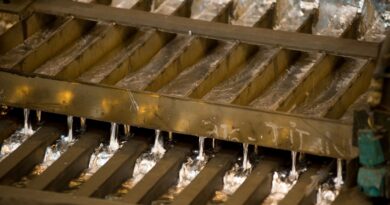
While rare earths are not geologically rare, the infrastructure required to extract, separate, and refine them into usable, high-purity forms remains concentrated in fewer hands than almost any other material on Earth.
The Geopolitical Chessboard: Breaking the Monopoly
For decades, mainland China has maintained a dominant stranglehold on the global rare earth market, controlling the vast majority of both mining output and processing capacity. In 2026, western nations are investing billions to break this dependency, treating domestic rare earth production as a matter of national security.
- Western Onshoring Infrastructure: Progress is accelerating at sites like the Mountain Pass mine in California, operated by MP Materials, which is scaling up its domestic refining and magnet manufacturing capabilities. Concurrently, Lynas Rare Earths is expanding its heavy rare earth separation facilities to provide an alternative, non-Chinese supply chain for global manufacturers.
- New Frontiers: Exploration is surging across the globe. Vast new deposits in places like Sweden (the Kiruna deposit) and several nations across Africa are being rapidly appraised. However, bringing a rare earth mine from initial discovery to active production still averages 10 to 15 years due to severe technical and regulatory bottlenecks.