
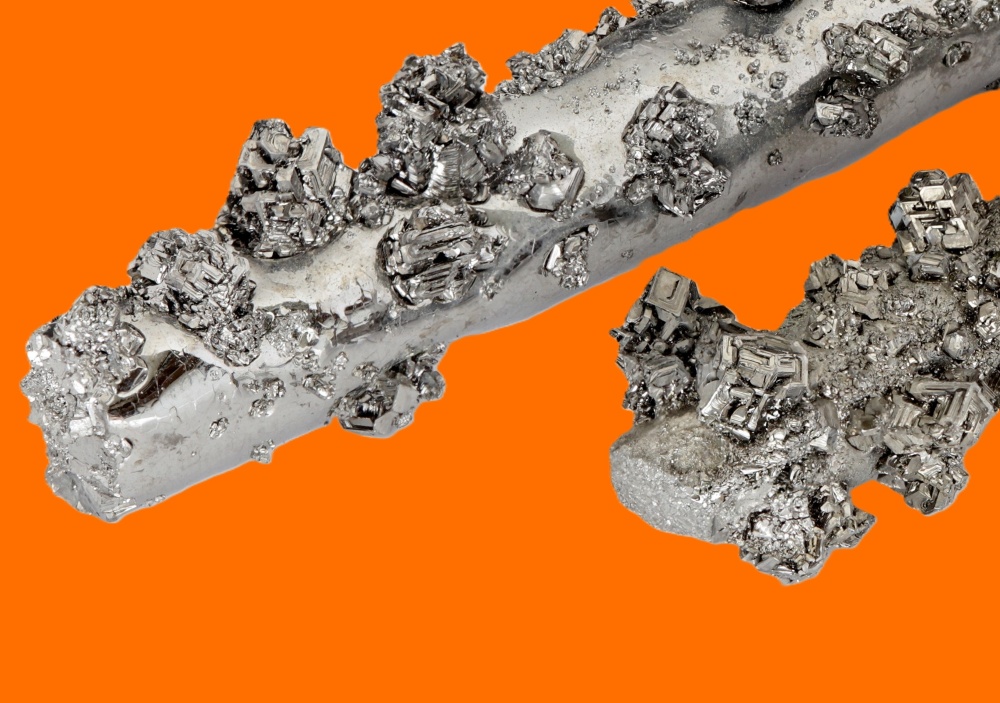
Understanding Tungsten: Prices Are Surging and Strategic Demand Is Growing
Tungsten is one of the most technically valuable metals in modern industry, prized for its extraordinary physical properties and the difficulty of finding effective alternatives. It has the highest melting point of any metal, alongside exceptional density, hardness and resistance to extreme temperatures. These characteristics make it indispensable across a range of applications, from military equipment and heavy industrial machinery to advanced electronics and emerging energy technologies.
Its strategic importance is reflected in its designation as a critical mineral by major economies, including the United States, the European Union, China, the United Kingdom, Australia and Japan. For these countries, maintaining reliable access to tungsten is increasingly important not only for industrial competitiveness, but also for national security and technological development.
In the defence sector, tungsten’s combination of density and hardness makes it valuable in armour systems, munitions and missile components. Its ability to withstand demanding mechanical conditions also underpins its extensive use in industrial manufacturing. Cemented tungsten carbides, for example, are essential to cutting tools, drill bits and wear-resistant components used in metalworking, mining, construction and oil and gas extraction. These applications rely on the metal’s ability to maintain performance under intense friction, pressure and heat.
Tungsten also plays an important role in advanced technology. Its electrical and thermal properties make it suitable for semiconductor interconnects and specialised electronic components designed to operate under high-temperature conditions. In electric vehicles, tungsten is used in applications including gearing systems, battery-related components and electrical systems. Estimates cited for the sector suggest that an electric vehicle can require approximately two kilograms of tungsten, although actual consumption varies by design and application.
The energy transition could create additional opportunities for the metal. Tungsten’s ability to withstand extreme temperatures and radiation makes it a candidate material for plasma-facing components in nuclear fusion reactors, where materials must endure some of the most demanding operating conditions encountered in energy engineering.
This breadth of applications helps explain why tungsten demand is relatively resilient. Many of its uses depend on properties that are difficult to replicate economically or technically, limiting the scope for substitution when prices increase.
Why tungsten prices are climbing so rapidly
The recent surge in tungsten prices reflects the convergence of several pressures rather than a single change in consumption. US trade measures, tighter Chinese export controls, increased strategic stockpiling for defence and a limited pipeline of new mines have combined to restrict the flexibility of an already concentrated supply chain.
Tungsten is traded in a relatively small and often opaque market, where limited price transparency and concentrated production can amplify the impact of supply disruptions. When buyers compete for a restricted pool of available material, even a modest interruption can trigger a disproportionately large price response.
Demand does not need to accelerate dramatically for this imbalance to persist. The market is already constrained by the limited availability of alternative supply, meaning that steady consumption growth can be enough to sustain upward pressure when production cannot respond quickly.
Nevertheless, underlying demand is continuing to expand. S&P Global forecasts that global tungsten demand will increase to approximately 180,000 tonnes by 2030 and 202,000 tonnes by 2035, implying average annual growth of around 2%. Although this represents a relatively measured expansion compared with some fast-growing commodities, the combination of limited supply and tungsten’s strategic importance makes even incremental increases significant.
Industrial manufacturing and defence underpin consumption
Cemented carbides represent the largest source of tungsten demand, accounting for approximately 64% of consumption. Their exceptional resistance to wear makes them difficult to replace in precision cutting equipment, mining tools, drill bits and other industrial components exposed to demanding operating conditions. These applications support a broad range of economic activity, from manufacturing and infrastructure development to resource extraction.
Defence accounts for a smaller share of overall consumption, but its strategic significance is considerably greater than its volume alone suggests. The US Department of Defense has identified tungsten as essential to national security, reflecting its importance across military systems and the industrial capabilities required to produce them.
This creates a different demand dynamic from that of conventional industrial consumers. Defence procurement is often driven by security requirements, stockpiling priorities and operational readiness rather than short-term price considerations. As a result, military buyers may be less sensitive to rising prices when securing material is considered essential.
Military-related tungsten consumption is also expected to increase. Project Blue forecasts growth of approximately 12% in 2026, including demand associated with aircraft, helicopters and ammunition. Even if the defence sector remains a comparatively small component of the overall market, stronger procurement can intensify competition for available supplies.
The interaction between industrial demand and strategic purchasing is particularly important in a market where production is concentrated and alternative sources are limited. Manufacturers must compete for material with buyers whose purchasing decisions may be driven by national security priorities rather than commercial considerations alone.
Ultimately, tungsten’s price rally highlights the vulnerability of a specialised commodity market when supply is difficult to expand and substitution is limited. Trade restrictions and strategic stockpiling have intensified existing pressures, while the long lead times required to develop new mines constrain the industry’s ability to respond.
With demand expected to continue growing across industrial manufacturing, defence and advanced technologies, the central issue is not simply how much tungsten the world consumes, but whether producers outside dominant supply centres can deliver enough material to meet future requirements. Until additional production becomes available and supply chains become more diversified, tungsten prices are likely to remain highly sensitive to changes in trade policy, geopolitical conditions and the availability of physical material.