Indonesia’s nickel output explodes after banning raw ore exports
In June 2025, Indonesia revoked four nickel mining licences in Raja Ampat, an archipelago known as the “last paradise”, after a public outcry, a rare intervention by the world’s top nickel producer — and admission on the growing importance of environmental constraints on its nickel industry.
The move comes after the president pledged to phase out coal power plants that are powering high-emissions nickel smelters and replace with renewable energy by 2040.
Indonesia’s nickel output exploded after banning raw ore exports to spur domestic refining in 2020, increasing from 31.5% in 2020, to 60% in 2024, and forecast to reach more than 75% by 2030.
Indonesia’s energy sector released more than 650mm tonnes of carbon dioxide in 2022, (up 165% between 2000-2023 — as the country’s nickel sector took off), making it the world’s seventh-largest carbon emitter.
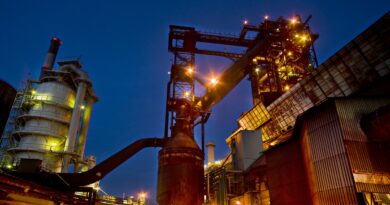
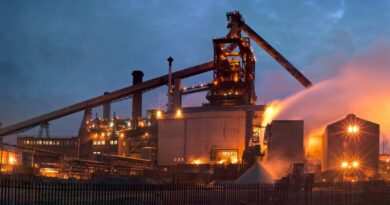
Coal-fired power was the quick-and-dirty way to run energy-intensive nickel smelters and vast rainforest regions were cleared for mines and waste ponds. For example, producing a tonne of nickel in an Indonesian blast furnace (nickel pig iron) can emit 90 tonnes of CO2. The trade-off was clear: Indonesia gained industry and investment, but at a steep environmental cost.
And there’s no easy fix. Fabby Tumiwa, executive-director at the Institute for Essential Services Reform (a Jakarta-based think-tank), said that Indonesia needs investments of at least US$1.2tn between now and 2050 for clean energy, storage and transmission networks, on top of an estimated $28bn in costs for early retirement of coal plants. Government data shows investment in Indonesia’s renewable energy sector totalled $1.5bn in 2023.
Local pressure on Indonesia’s mining sector has only increased, and now seen success in Raja Ampat. But, the environmental concerns are not just local. Internationally, pressure is also being applied through trade policy and investor scrutiny — in particular, via carbon emissions taxes. Nickel is not yet on the European Union’s Carbon Border Adjustment Mechanism (CBAM) (putting a price on CO₂ emissions), but Brussels has not ruled out including nickel in future updates, potentially from 2028.