UK Commits $66 Million to Strengthen Domestic Critical Minerals Industry
The UK government has unveiled a £50 million (approximately $66 million) investment package aimed at expanding the country’s critical minerals sector, reducing dependence on overseas suppliers, and reinforcing the resilience of key industrial supply chains.
The funding will back initiatives covering mineral extraction, processing, and recycling, helping secure essential raw materials used in a wide range of products, including consumer electronics, household appliances, and electric vehicle batteries.
This latest commitment adds to more than £200 million the government has already directed toward developing the UK’s critical minerals industry.
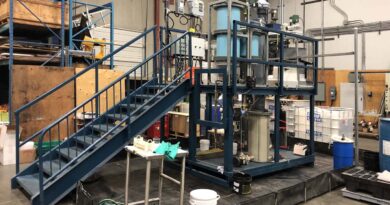
Industry Minister Chris McDonald is expected to announce the initiative during a visit to a leading industrial research centre in northeast England, where businesses are advancing innovative technologies for recovering and refining valuable metals.
The investment comes as the UK intensifies efforts to strengthen its supply of critical minerals amid growing global demand and China’s continued dominance of the sector. China currently produces around 70% of the world’s rare earth minerals and carries out roughly 90% of global refining activities.
Highlighting the strategic importance of these resources, McDonald said critical minerals play a key role in protecting the UK’s national security and supporting future economic growth.
The government also pointed to recent progress, including the launch of the country’s first commercial rare earth magnet manufacturing facility in 25 years. Operated by Mkango Resources’ HyProMag division in Birmingham, the plant manufactures magnets for electric motors and other advanced technologies using recycled rare earth materials.
Alongside expanding domestic production, the UK has been working with international partners such as the United States and South Korea to diversify supply sources, strengthen processing capabilities, and encourage greater cross-border investment in critical mineral supply chains.
The newly announced funding will be distributed across three core initiatives: £20 million to establish a rare earth magnet hub, £25 million to accelerate the growth of promising critical mineral projects, and up to £5 million to develop a demand aggregation platform designed to attract private sector investment and improve market coordination.