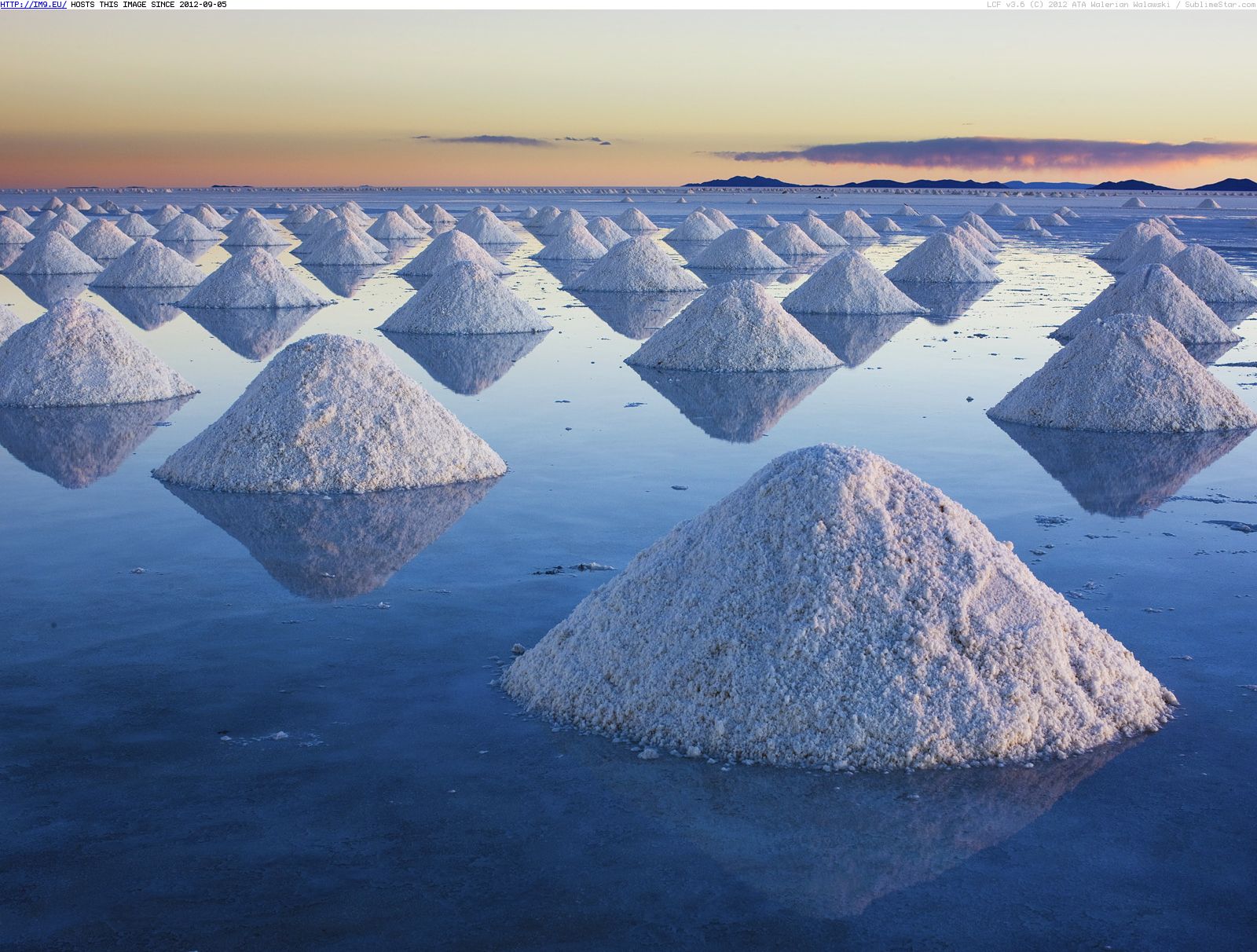
How lithium is extracted: The two traditional pillars
Lithium is currently sourced through two primary industrial methods, each carrying distinct geographic and operational footprints:
| Extraction Method | Primary Locations | Operational Advantages | Environmental Pitfalls |
| Hard-Rock Mining (Spodumene) | Australia, Western China | High lithium content (over 3% lithium oxide); fewer impurities; yields highly pure battery compounds. | Open-pit mining causes severe land degradation, habitat loss, and high greenhouse gas emissions due to energy-intensive crushing. |
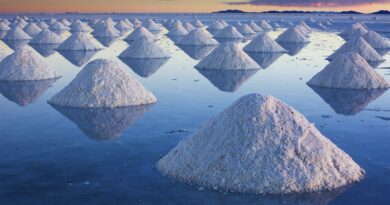
| Evaporative Brine Mining | “Lithium Triangle” (Chile, Argentina, Bolivia) | Lower operational cost once infrastructure is built; relies heavily on natural solar evaporation. | Massively water-intensive. Displaces up to 2.2 million liters of water per ton of lithium, permanently evaporating 95% of extracted brine water and depleting local groundwater tables. |
The New Frontier: DLE and Next-Gen Extraction
Because traditional mining methods face intense local backlash and regulatory hurdles, the industry is pivoting toward Direct Lithium Extraction (DLE) and alternative sourcing.
DLE acts like a chemical magnet, utilizing specialized filters to pull lithium ions directly from underground brines before returning the remaining water back into the ecosystem. This technology promises to slash land use, eliminate evaporation pools, and significantly reduce carbon footprints. Companies like Century Lithium in Nevada are already actively integrating DLE into their newly filed plans of operations, while firms like Cornish Lithium in the UK have successfully leveraged low-carbon processing to harvest lithium from domestic granite quarries. Furthermore, the U.S. Department of Energy is injecting millions into capturing lithium from geothermal brines, potentially solving domestic supply-chain vulnerabilities.